Editorial: The Classical Misconception
An editorial from the Features section on how classical music is commonly framed.
Features →
News, editorials and reviews on the modern world of classical music, alongside exclusive video interviews with musicians and conductors.
The Sound Post covers news, editorials and reviews on topics related to the modern world of classical music. Posts range from industry developments and orchestra news to commentary on recordings, instruments and the people behind them.
Alongside the written pieces, the site hosts exclusive video interviews with figures including Gilbert Kalish, Bridgid Bibbens, Susan Waterbury, August Kleinzahler, Jeffery Meyer and Steven Stucky.
Browse the archiveClassical music has always carried a double life: it is at once a living tradition and a continually shifting conversation. The Sound Post exists to follow that conversation as it unfolds in the present, treating the art form not as a fixed museum piece but as something shaped by the people who perform it, teach it, fund it, and listen to it. Coverage ranges across orchestras and opera houses, recordings and instruments, and the quiet institutional decisions that ripple outward into concert halls. The aim is close reading rather than quick reaction, giving readers room to think alongside the writers.
Orchestras occupy a particular place in this landscape, balancing artistic ambition against the practical realities of budgets, boards, and audiences. News from the symphonic world often reads like a study in tension: expansions and contractions, seasons announced and seasons reconsidered, musicians and management negotiating the terms of a shared future. These stories matter beyond the institutions themselves, because an orchestra is usually a community's most visible musical anchor. Following them closely means paying attention to the mundane machinery as much as the marquee concerts, and asking what a healthy musical ecosystem actually requires.
Opera brings its own set of questions, gathering together voices, staging, language, and the sheer logistics of making a large-scale theatrical form work night after night. Reviews and commentary on opera tend to circle around interpretation: how a director reads a work, how a conductor shapes its pacing, how a singer inhabits a role. But opera also lives inside the same economic and cultural pressures as every other performing art, from touring costs to the challenge of drawing new audiences without alienating devoted ones. The Sound Post treats opera as both an aesthetic subject and an institutional one.
Instruments deserve attention as more than beautiful objects. A violin, an organ, or a piano is a working tool with a history, a personality, and often a complicated provenance. Stories about fine instruments raise questions about ownership, restoration, and the ethics of a market where historical pieces change hands in ways that can feel far removed from the musicians who play them. There is also the quieter story of instrument makers and repairers, whose craft keeps older sounds alive and makes new ones possible. Writing about instruments means writing about craft, value, and the transmission of knowledge across generations.
Recordings have reshaped how listeners encounter classical music, moving the art form from the concert hall into living rooms, headphones, and archives. A recording is never a neutral document; it reflects choices about tempo, balance, editing, and the technology of its moment. Reviews that take recordings seriously can illuminate those choices and help listeners hear familiar works with fresh ears. At the same time, the recording industry's shifting economics, from streaming to the reissue of historical catalogues, shape which performances survive and which quietly fade. That archive is a cultural inheritance worth examining closely.
The people behind the music are often the most compelling story. Conductors, soloists, section players, composers, administrators, and educators all bring distinct perspectives to a shared enterprise, and interviews can reveal the practical wisdom that formal criticism tends to overlook. Video conversations add another dimension, allowing viewers to hear how musicians describe their own work in their own words, complete with hesitation, humor, and the small details that signal genuine experience. These portraits are not gossip; they are a way of understanding how artistic decisions get made and how careers take shape over decades of patient work.
Education and access sit at the heart of any honest discussion about the future of classical music. The tradition sustains itself through teaching, community programs, youth orchestras, and the less visible efforts that introduce listeners to unfamiliar repertoire. Coverage of these areas asks difficult questions about who gets to participate and what kinds of support make participation possible. It also considers how institutions can honor a centuries-old heritage while remaining genuinely open to the present. The most interesting stories often come from places where tradition and access meet, and where someone is trying something that has not been tried before.
Editorially, The Sound Post favors considered argument over hot takes, and context over novelty. The classical world generates plenty of news, but the more valuable work is interpretation: connecting a single announcement to a longer trend, or reading a performance against the history that produced it. Readers who care about this music tend to want both the headlines and the reasoning behind them, along with a willingness to disagree respectfully. That spirit guides the site's mix of reporting, commentary, and review, and it shapes the hope that the writing here feels like a conversation worth returning to.

The video series brings performers, teachers and writers into conversation about their work and the wider classical music world.

Articles on technology and classical music, including the San Diego Symphony's iPhone application and the New York Philharmonic's own app.
Read the features
News sourced from or related to The New York Times' classical music reporting, from the Philadelphia Orchestra's bankruptcy filing to Renée Fleming's alt rock cover album and Dudamel and the LA Phil on the East Coast.
Find these posts
An editorial from the Features section on how classical music is commonly framed.
Features →Another editorial piece from the Features section, part of the site's cultural commentary.
Features →Coverage from January 2012 on the court's decision regarding works in the public domain.
Archive →A popular post on Stradivarius instruments sold for tsunami relief in June 2011.
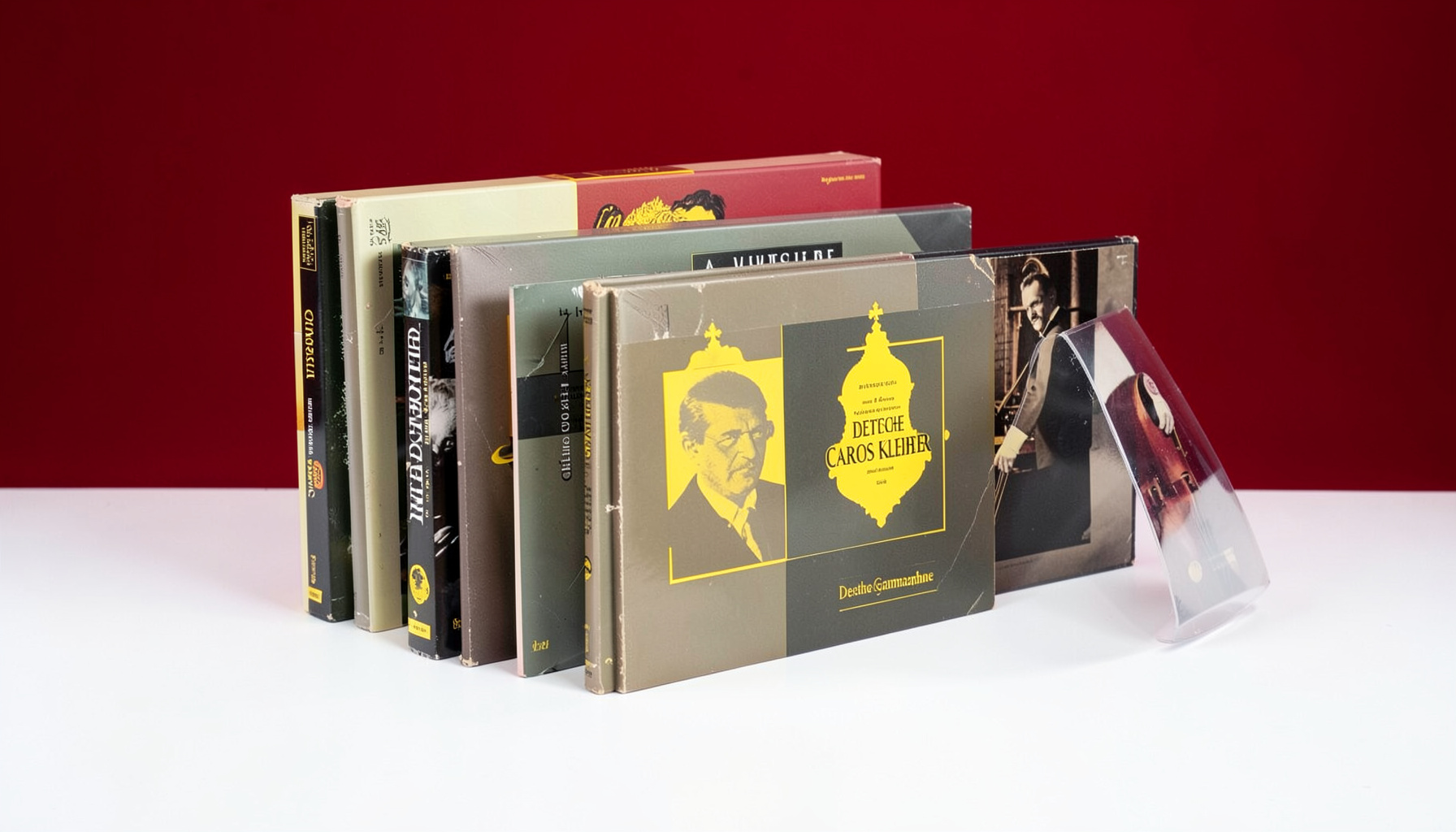
Archive →From July 2010: the label consolidated Carlos Kleiber's recordings into one collection.
Archive →From July 2009: the New York Times Company's sale of New York's classical radio station.
Archive →




The Sound Post links to other music blogs, including Cerebroom and Color In My Piano. If you write about music and would like your blog listed, the contact form is the place to ask.
You can also follow the site on Twitter at @thesoundpost.
Get in touch